False positives, when a model detects something that isn’t there, can badly hurt performance in security, surveillance, and autonomous systems. Synthetic images cut false positives by giving models controlled, high-quality, varied training data.
This article shows how synthetic images reduce false positives and make models more accurate.
False positives often arise from:
- Ambiguous Real-World Data: overlapping objects, hidden objects, or blurry lines between classes can make models perform poorly on new data.
- Insufficient Edge Cases: models fail on rare scenes they rarely saw in training.
- Labeling Inconsistencies: mistakes in manual labeling add noise to the training data.
Key Strategies for Using Synthetic Images to Reduce False Positives
1. Enhancing Model Generalization
A key challenge in training computer vision models is making them work across many different settings. Synthetic data from the AI Verse Procedural Engine can closely match real-world conditions. Beyond realism, domain randomization forces models to focus on the features that define an object rather than surface details. By varying backgrounds, lighting, and textures, synthetic images teach the model to adapt, so it is less likely to raise false positives from overfitting to one set of conditions.

2. Improving Annotation Accuracy
Bad labels are one of the most overlooked causes of false positives. When people mislabel objects or label inconsistently across datasets, they add noise to the training data. Synthetic images remove this problem because every label is generated exactly. Every object, boundary, and class is precisely defined, so the model learns from reliable data instead of from labeling mistakes.
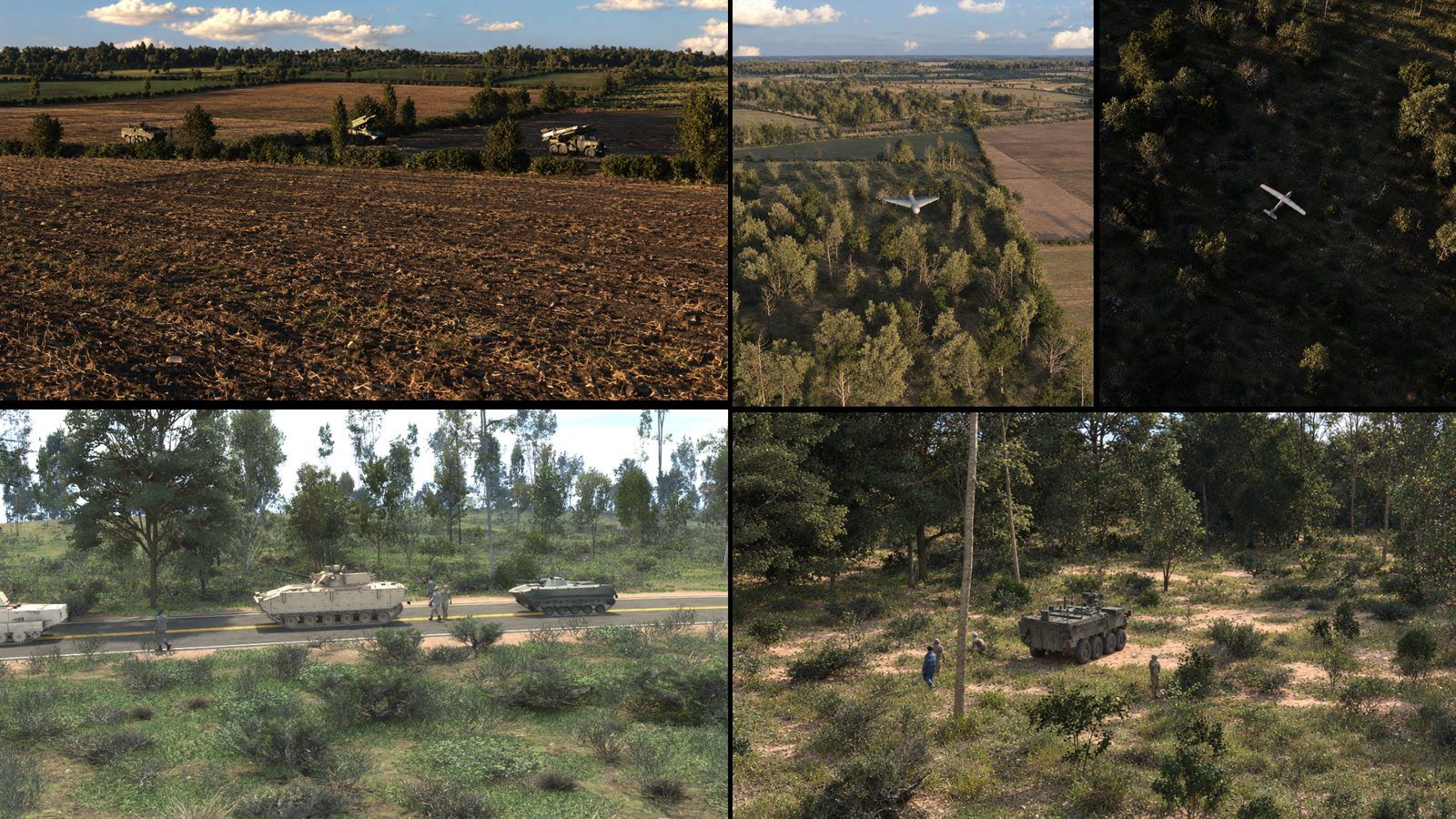
3. Introducing Hard Negative Samples
To sharpen a model’s ability to tell true detections from false ones, you can use synthetic data to generate hard negative samples: images of objects that look like the target but aren’t. Training on these look-alikes teaches the model the small differences that matter, so it stops flagging non-targets as detections.
4. Balancing Data Distribution
Biased training data skews a model’s performance and makes false positives more likely. Synthetic images let you add examples of rare classes in a controlled way, so rare events and edge cases get enough coverage. The model then learns a more balanced picture of each category and draws clearer lines between them. Varied, correctly labeled examples make the model less likely to misclassify.

5. Leveraging Domain Adaptation Techniques
Synthetic images give full control over what data you generate, but models perform even better when that data blends well with real-world data. Domain adaptation techniques adjust synthetic images so they look more like real ones. Training on a mix of real and synthetic data also produces models that handle a wide range of settings. Used together, these techniques reduce false positives and make models more adaptable.
Evaluating the Impact of Synthetic Images
Adding synthetic images to the training pipeline can make computer vision models more accurate, better at handling new settings, and far less prone to false positives. To measure the effect, test the model’s false positive rate and confirm it has dropped. Then benchmark across domains to check that the gains hold beyond a single dataset. Whether through exact labels, domain adaptation, or hard negative samples, synthetic data gives you practical ways to improve image recognition in the real world.