Military vehicle recognition, trained without a single real image.
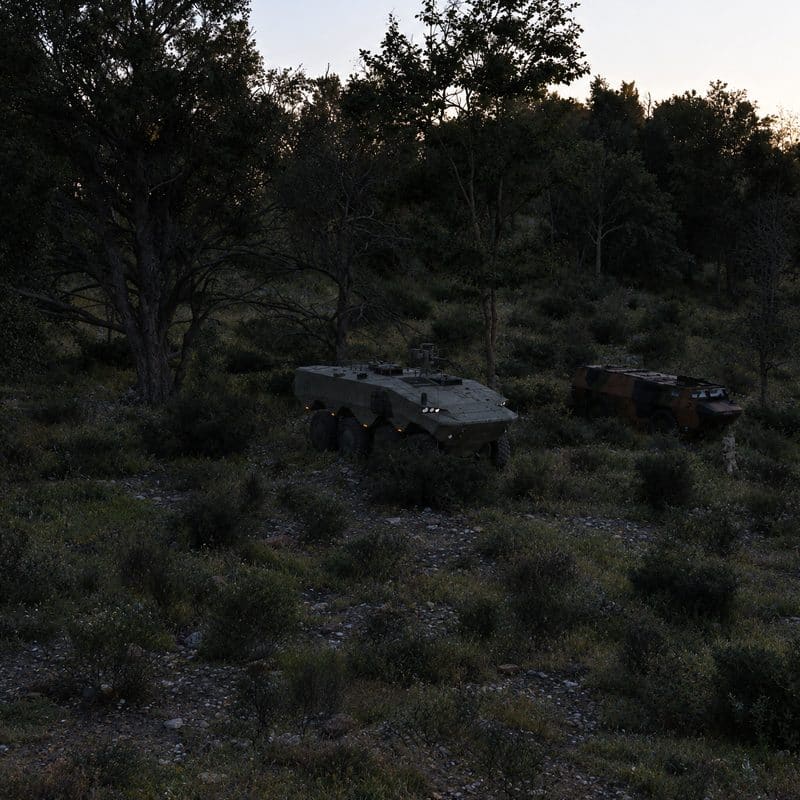
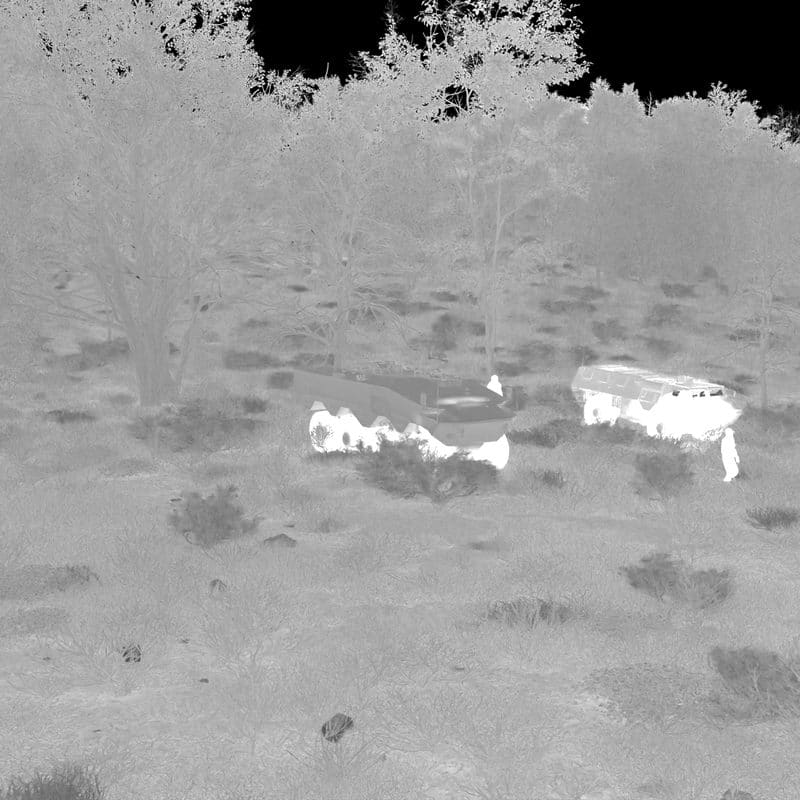
Vehicle recognition fails on the cases that matter: partial occlusion, camouflage, thermal crossover, a geography the model has never seen. All four are parameters here.
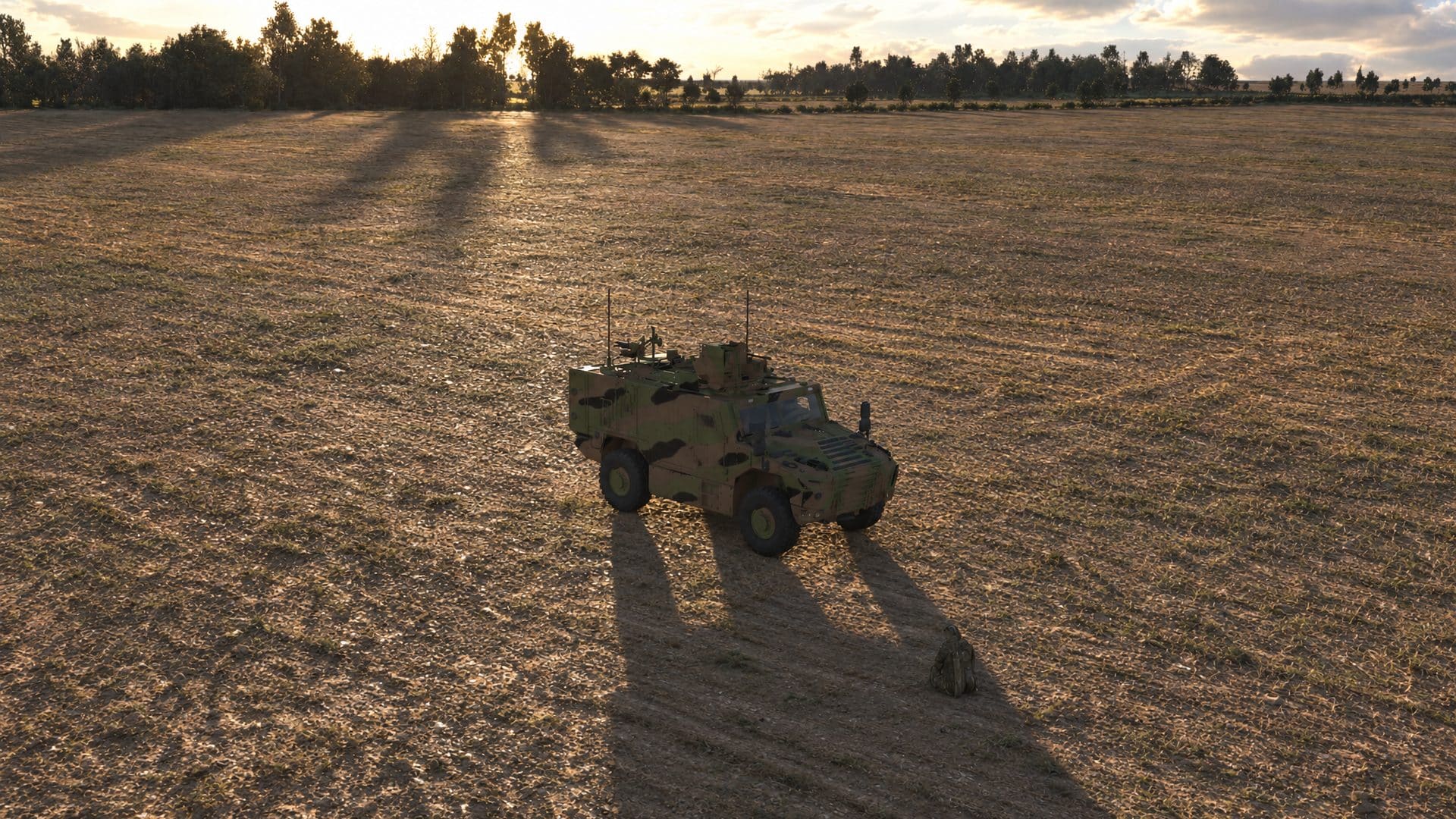
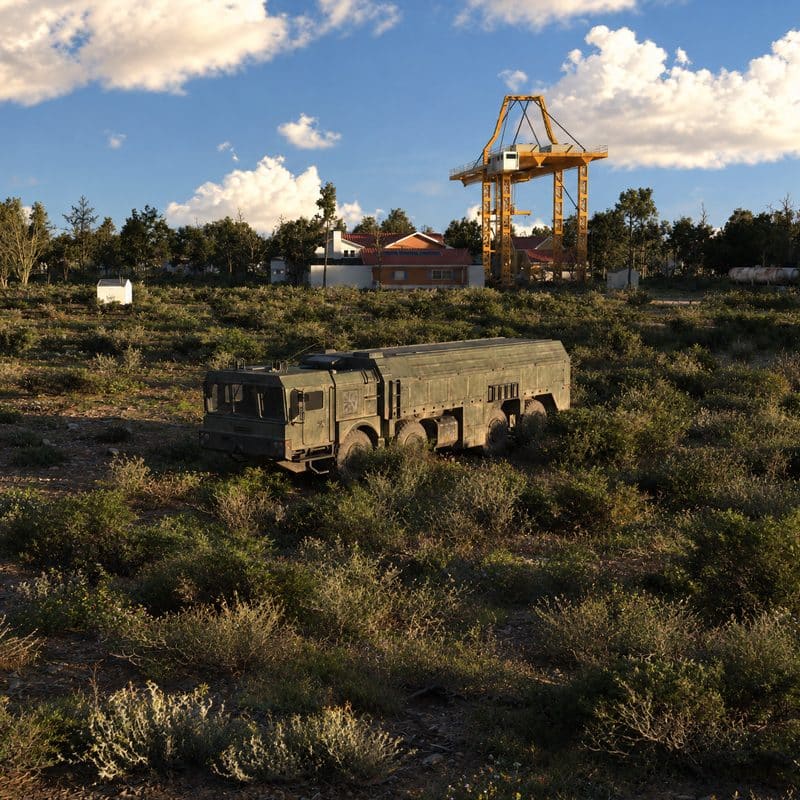
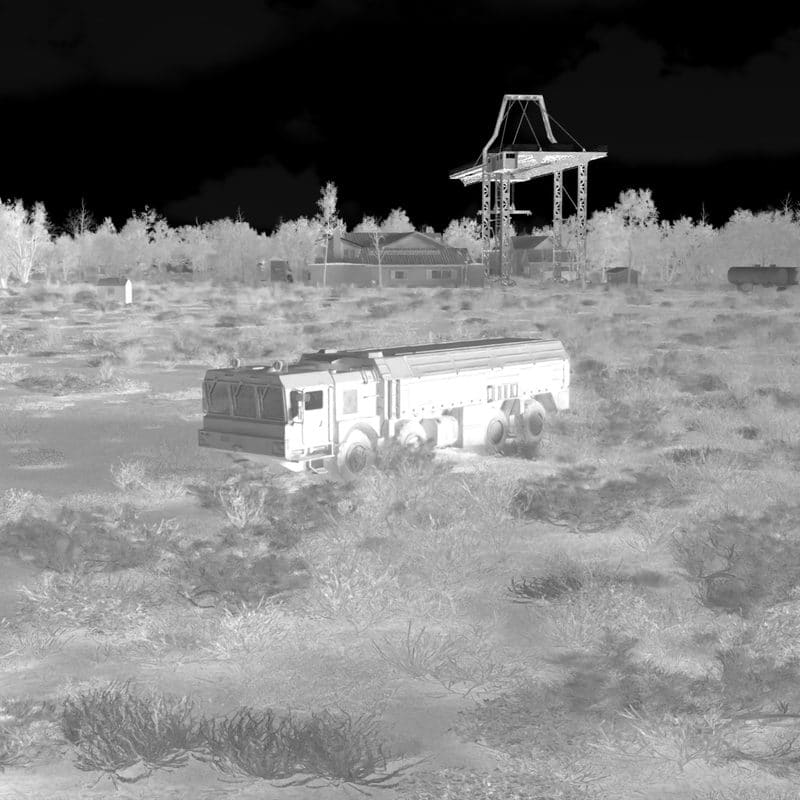
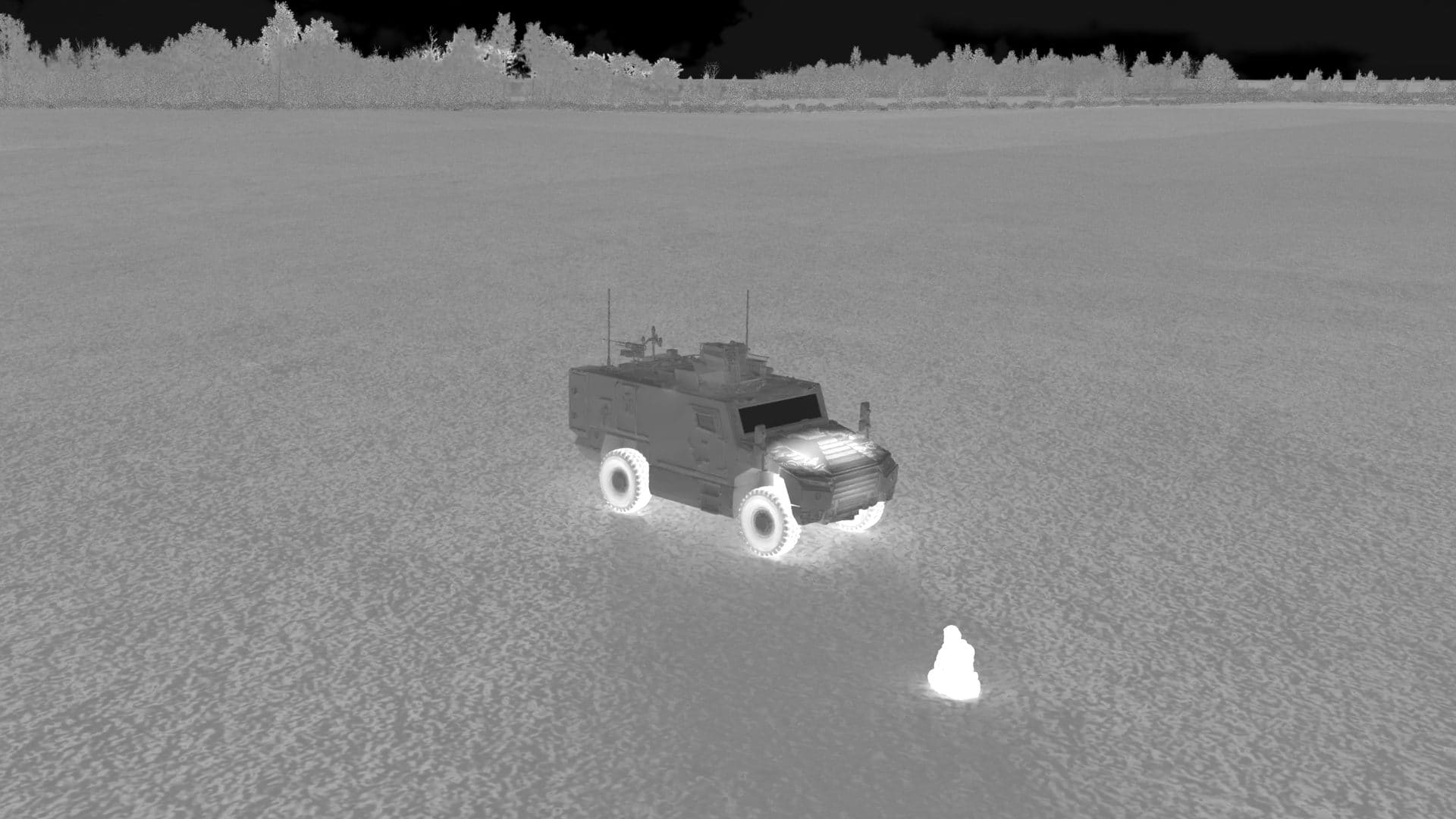 EO · SUNSETLWIR · SUNSET
Where vehicle recognition breaks
Occlusion and camouflage
A vehicle is rarely in full view. Nets, tree lines and revetments hide exactly the features a detector learned to rely on.
Thermal crossover
Twice a day the target radiates like its background. Real footage from that window is rare. We make it a parameter.
Geography it never saw
Terrain, field pattern and roof materials drive the false-positive rate. A model trained on the wrong region inherits the wrong background.
Single‑class, complete dataset coverage with 8 labels
Aspect angle, range, camouflage state, thermal history, terrain. You set each one, and every frame carries eight ground-truth labels.
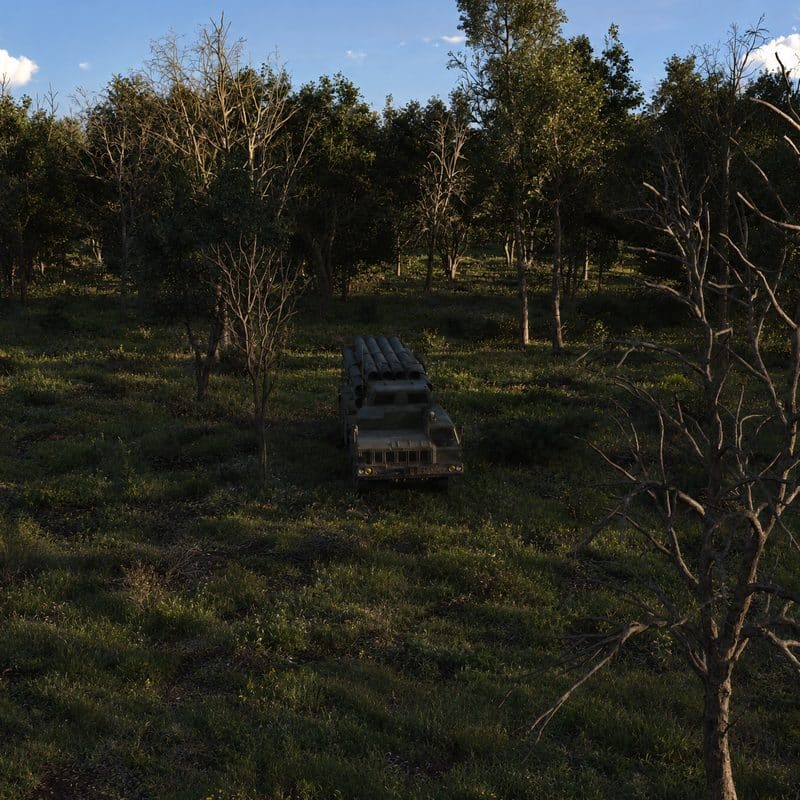
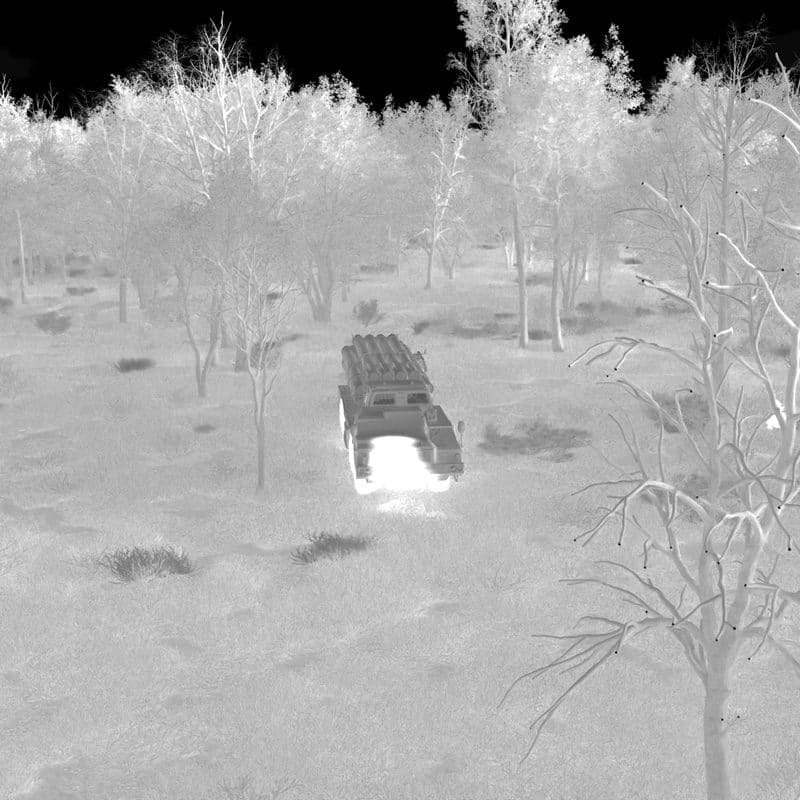 EO · DAY
 EO · DUSK
 EO · DAY
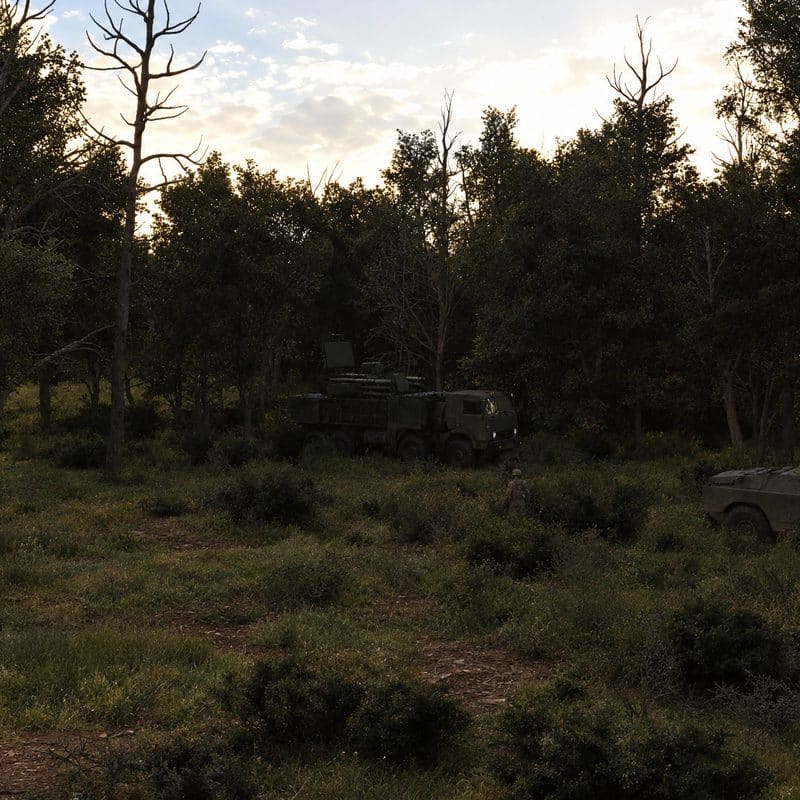
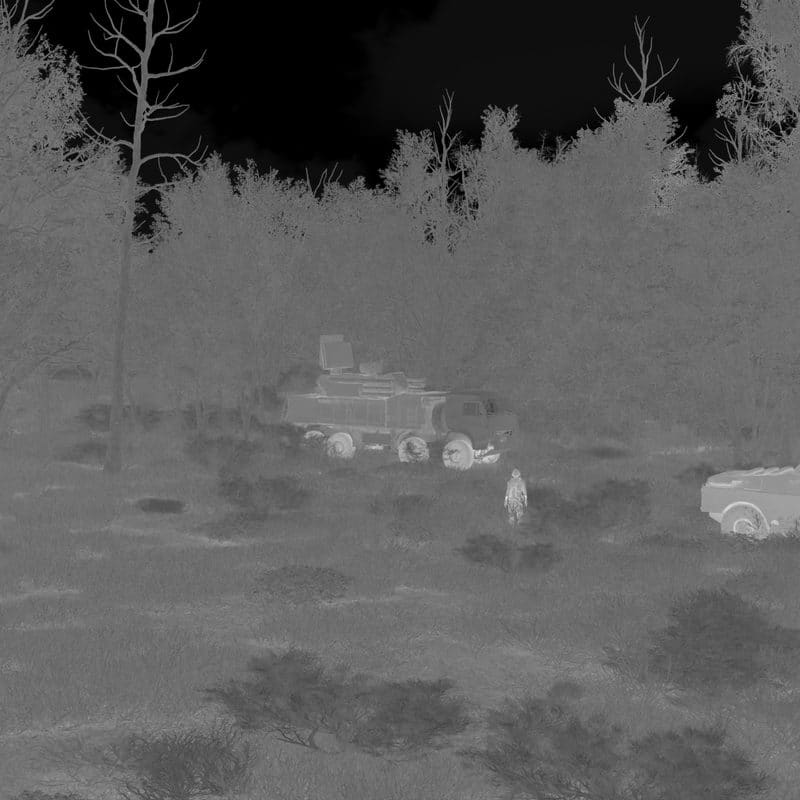 EO · DAY
Night, fog, dust and low sun, on demand.
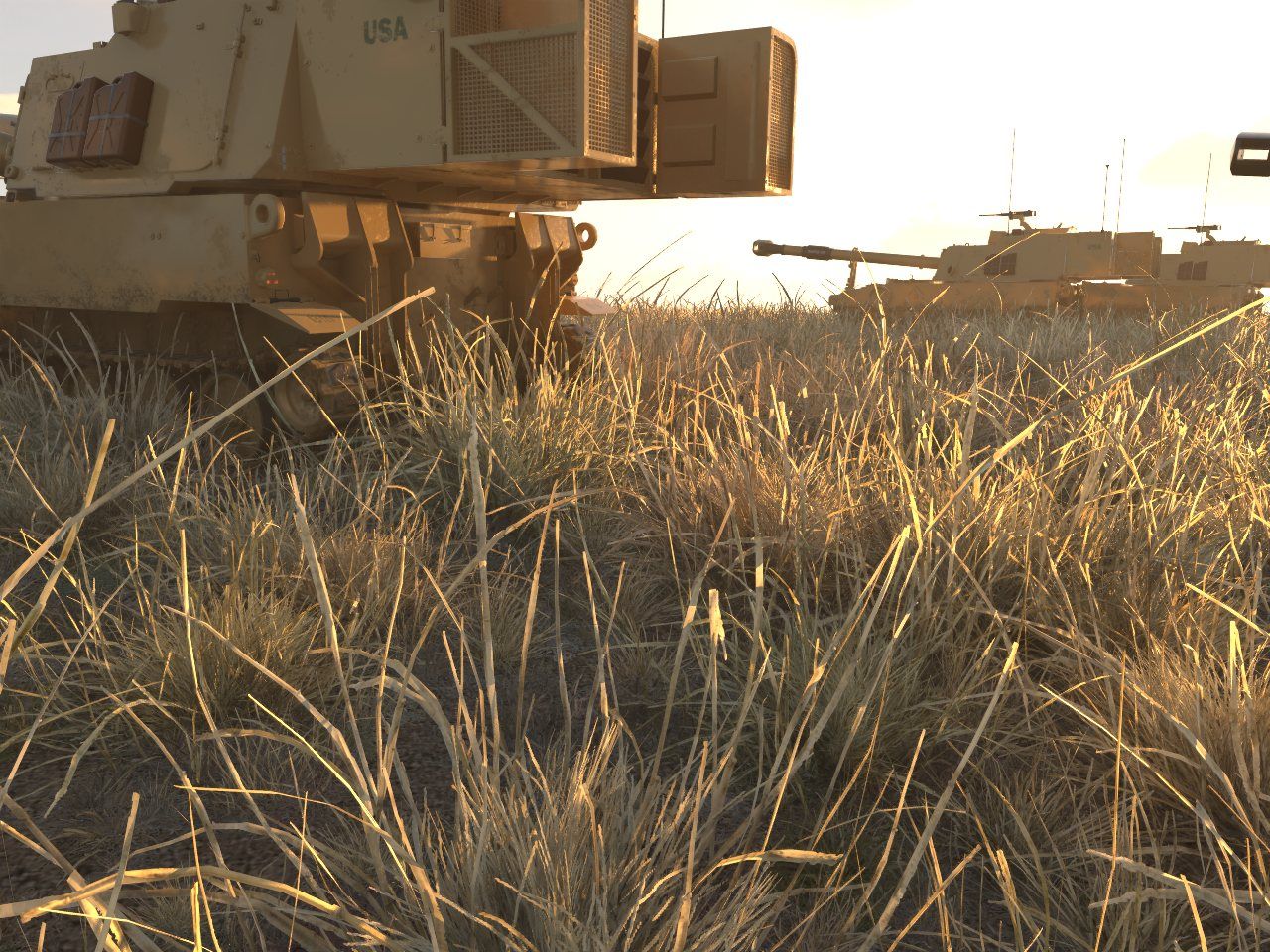
Real collections rarely cover a convoy at night in fog, or a vehicle half hidden in tall grass against the sun. GAIA generates these conditions on the vehicle classes you need.
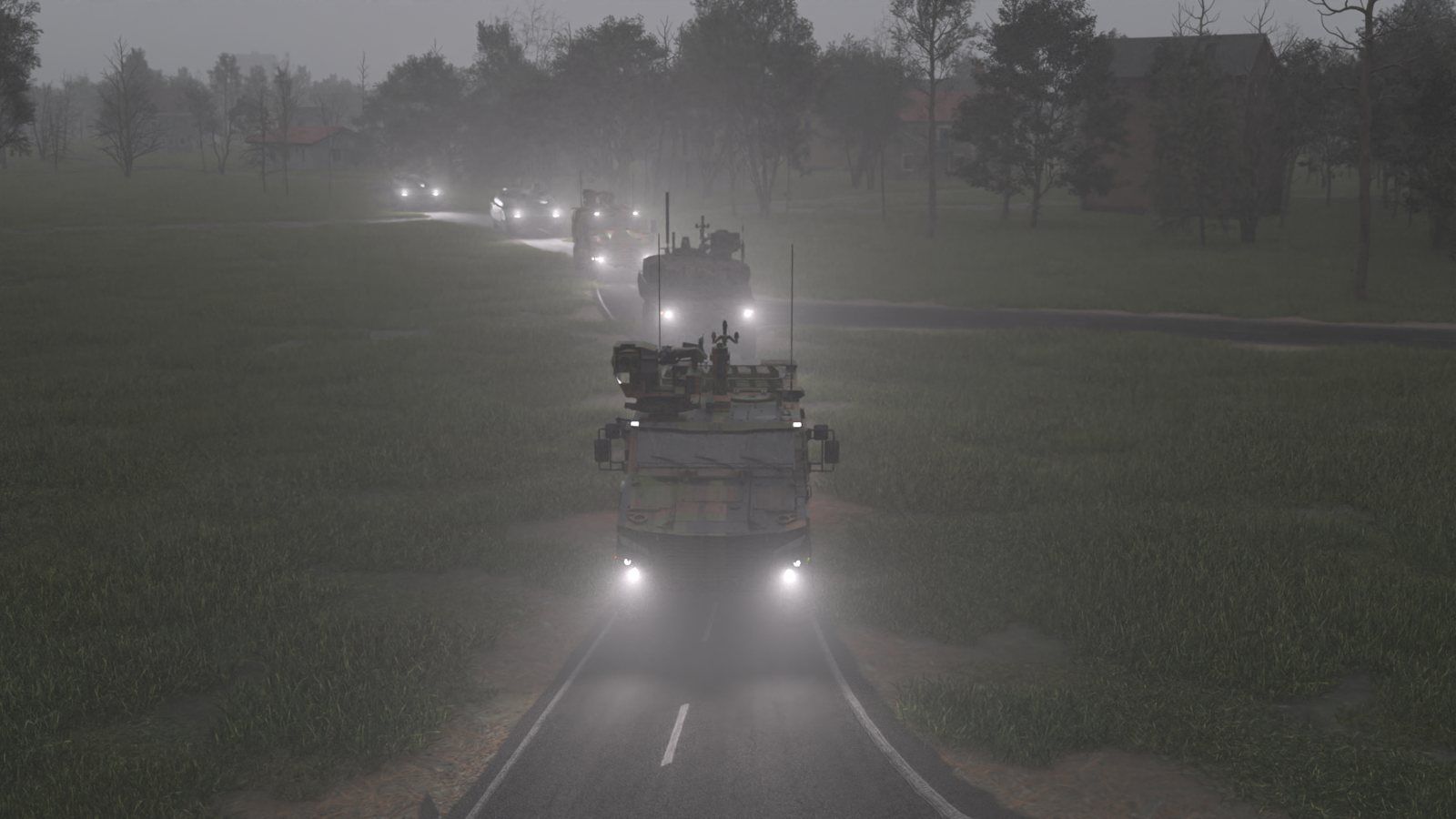
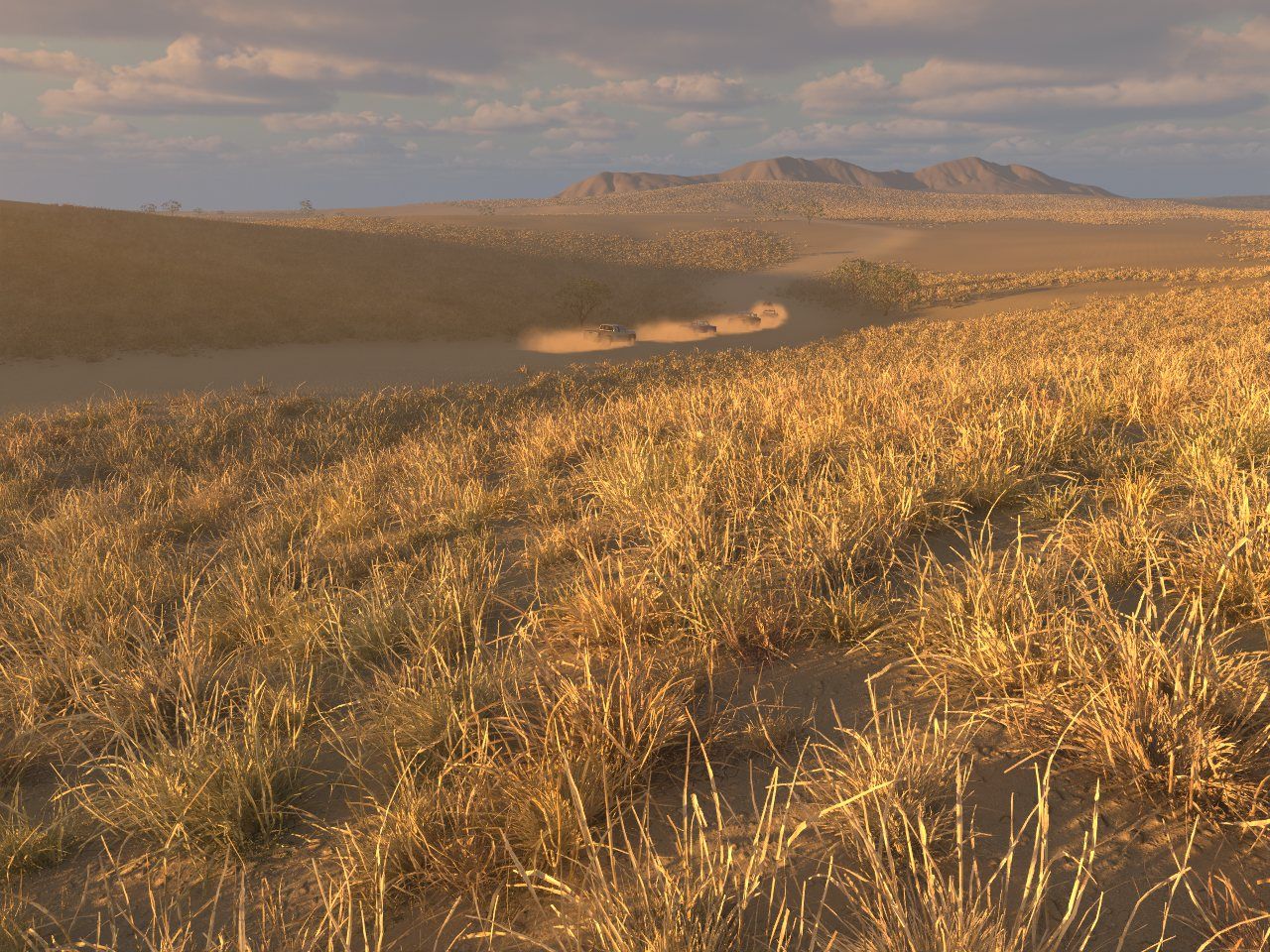
Detection, recognition, identification
Each step needs more pixels on the target. Because range and focal length are parameters, you can sweep one vehicle class from detection range to identification range and train your recognition model at every step.
0.85 AP50 on real imagery, trained on synthetic data alone.
For a French defence programme, a tank detector was trained on 60,000 GAIA images and no real image, then evaluated on real-world footage. The score was measured by an independent company, not by AI Verse.
In a separate benchmark on a vehicle class, adding the sensor model moved AP50 from 0.61 to 0.85, with zero real frames in training. The method is set out on the domain gap page.
Name the vehicle class.
Bring the target class and the sensor you train for. First output two weeks after the scoping call.