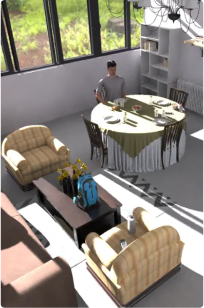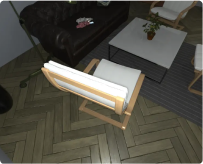
AI Verse and Scaleout Partner to Strengthen End-to-End AI Capability for Tactical Edge Operations
Paris/ Stockholm, June 14, 2026. AI Verse, the French procedural synthetic data platform, and Scaleout, the Swedish sovereign edge AI company today announced a strategic partnership to jointly develop end-to-end machine learning capability for computer vision at the tactical edge. Under the Memorandum of Understanding, the two companies are cooperating on developing AI for defence. […]
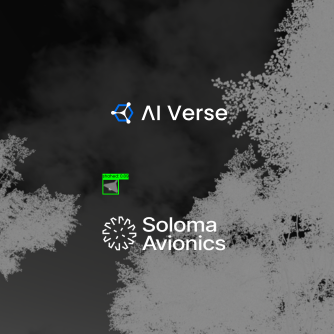
AI Verse and Soloma Avionics are Finalists for DAIC Partnership of the Year Award
Recognizing joint innovation in thermal UAV detection for frontline defense When AI Verse and Soloma Avionics began working together, our shared goal was clear: improve thermal detection performance where it matters most – saving lives in Ukraine. Our partnership has now been recognized by the Defence AI Council as the Finalists for Partnership of the Year award. […]
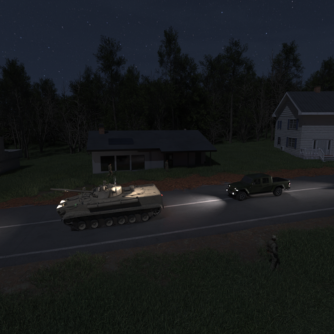
Why Defense CV Teams Can Never Collect Enough Training Data
Defense and drone CV engineers face a persistent issue: field-collected data falls short for robust models, leaving gaps in edge cases like rare weather or occluded targets. No amount of flights or ground tests delivers the volume, diversity, or labels needed for mission-ready detection. Synthetic data addresses this directly by generating precise, scalable datasets that […]
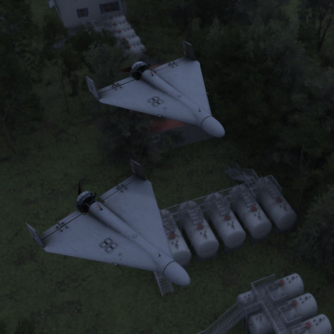
Synthetic Images for Computer Vision Edge Cases
Computer vision engineers, researchers, and AI practitioners are building models for various use cases like autonomous systems, surveillance, and industrial inspection, aiming for near-perfect accuracy in real-world deployment. They cope with rare scenarios like occlusions, low light, or unusual angles that cause model failures despite strong benchmark performance. These edge cases demand data that’s often […]
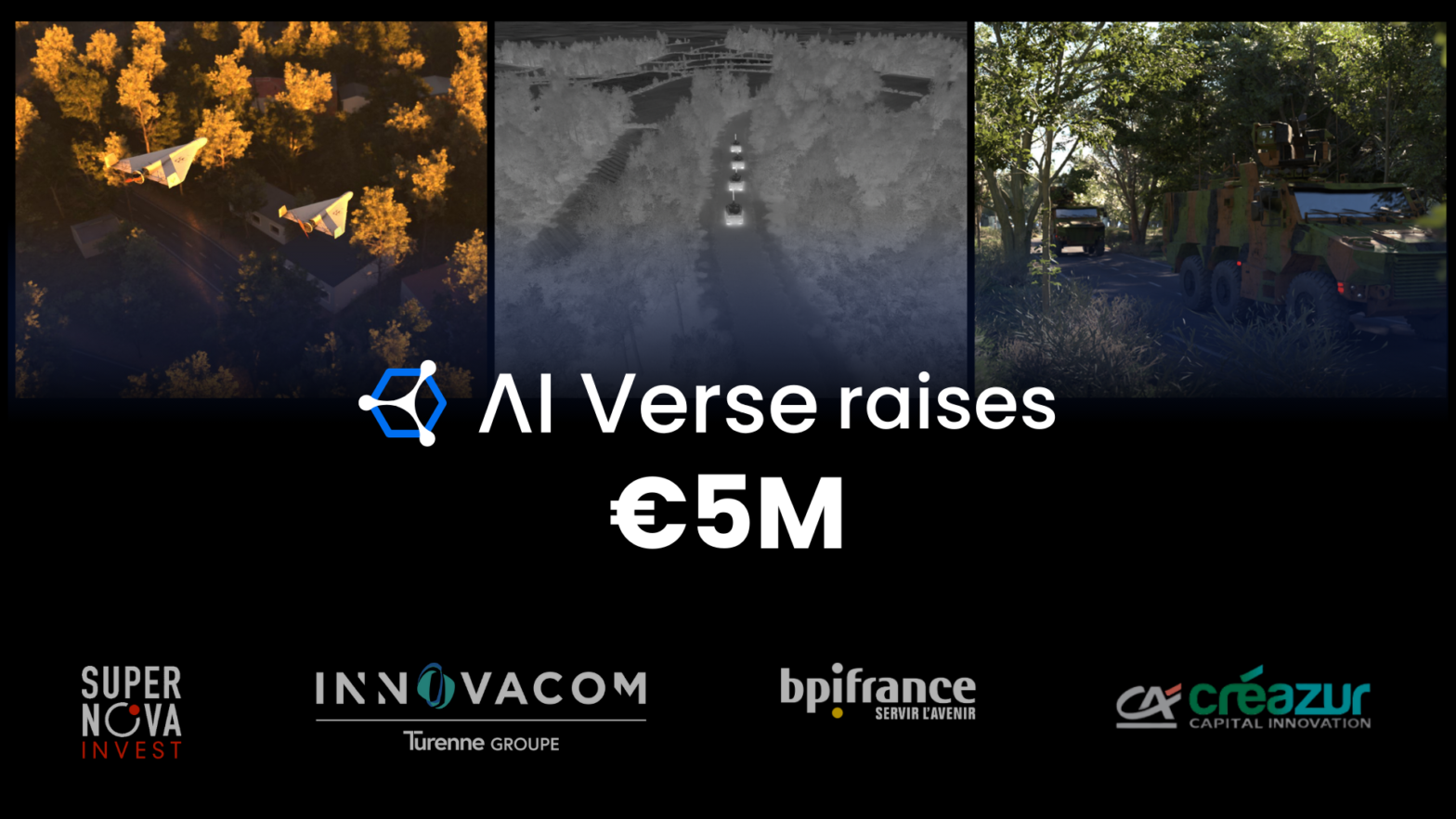
AI Verse Raises €5 Million in Funding to Democratize Access to High-Performance AI Training Data
Biot, 19 January, 2025 – AI Verse, the leader in synthetic data generation for computer vision applications, announces a €5 million funding round to accelerate the development and commercialization of its proprietary technology. The round is led by Supernova Invest through Crédit Agricole Innovations et Territoires (CAIT), Amundi Avenir Innovation 3 (AAI4), and Creazur, bringing […]
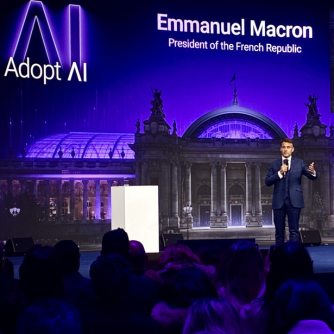
Presidential Recognition of AI Verse during his address at Adopt AI Summit
We are proud to announce a recognition by French President Emmanuel Macron during his keynote address at the Adopt AI Summit in Paris.President Macron highlighted AI Verse’s strategic partnership with STARK, marking a significant endorsement of the company’s contribution to advancing Europe’s AI capabilities and technological sovereignty. This presidential recognition emphasizes AI Verse’s alignment with […]