
2025 Will Be the Year of Computer Vision for These Industries
As industries gear up for 2025, computer vision is emerging as a transformative force across sectors, with its ability to interpret and analyze visual data at unprecedented levels. From enhancing public safety to optimizing retail operations, this technology is driving innovation and efficiency in ways that were once unimaginable. Let’s explore industries that will be shaped by computer vision in 2025:
1. Defense and Security Applications
Computer vision is revolutionizing defense and security by enhancing situational awareness and operational efficiency.
- Enhanced Surveillance: Smart cameras equipped with computer vision and edge computing enable real-time threat detection and anomaly analysis.
- Autonomous Systems: Computer Vision-powered navigation enhances drones, unmanned vehicles, and robotics used in defense scenarios.
2. Retail and E-Commerce
In the competitive retail landscape, computer vision enhances customer experience and operational efficiency.
- Smart Stores: Autonomous checkout systems powered by computer vision create seamless, frictionless shopping experiences.
- Personalized Shopping: Visual search and recommendation systems leverage Computer Vision to offer tailored e-commerce experiences.
- Inventory Management: Computer vision optimizes stock tracking and supply chain management, reducing costs and improving accuracy.
3. Autonomous Vehicles
Autonomous driving systems rely heavily on computer vision to ensure safety and efficiency.
- Safety Enhancements: Advanced Computer Vision models improve object detection, lane tracking, and collision avoidance technologies.
- Urban Mapping: High-definition mapping through Computer Vision-integrated LiDAR and cameras enables precise autonomous navigation.

4. Industrial Automation
Industrial sectors are leveraging computer vision to enhance productivity and reduce downtime.
- Predictive Maintenance: Computer Vision models identify early signs of equipment failure, enabling proactive repairs.
- Quality Control: Automated defect detection ensures high precision and consistency in manufacturing processes.
- Digital Twins: Real-time Computer Vision monitoring facilitates efficient workflow optimization through accurate digital replicas of physical systems.
5. Environmental Monitoring
Computer vision is playing a crucial role in addressing environmental challenges.
- Wildlife Conservation: Computer Vision aids in tracking endangered species and monitoring illegal activities like poaching.
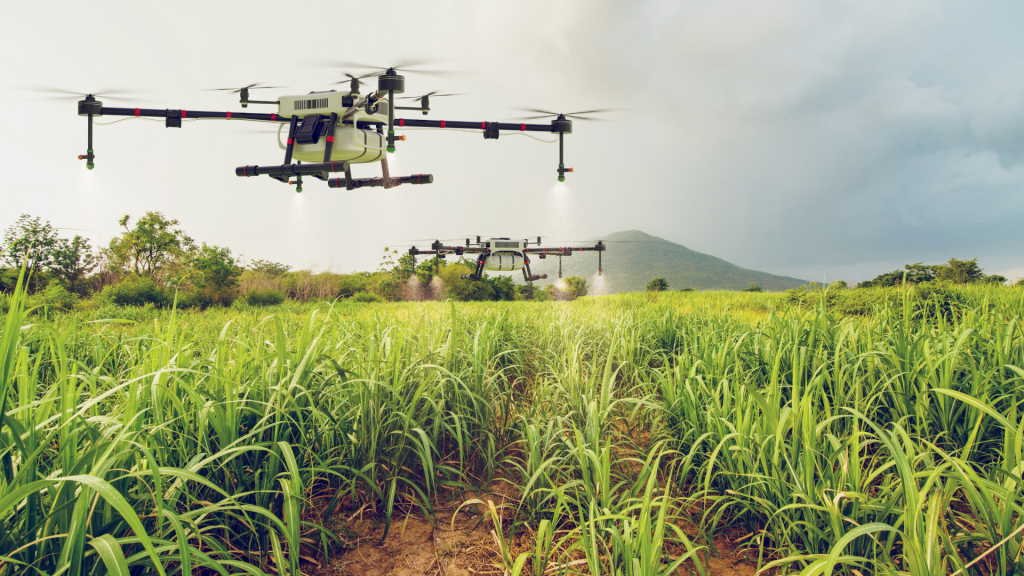
- Agriculture: Precision farming benefits from drone-based crop monitoring and yield prediction using computer vision.
- Climate Change Mitigation: Computer Vision analyzes satellite imagery to monitor deforestation, pollution, and natural disasters.
6. Smart Cities
Smart cities are utilizing computer vision to improve infrastructure, public safety, and urban living.
- Traffic Management: Real-time traffic flow optimization reduces congestion and enhances urban mobility.
- Public Safety: Automated Computer Vision systems detect hazards or unusual activities in public spaces.
- Energy Efficiency: Monitoring infrastructure with Computer Vision identifies inefficiencies and safety risks, driving sustainability efforts.
Conclusion
As computer vision applications continue to expand, industries are uncovering new ways to solve complex challenges and streamline operations. From defense to smart cities, computer vision is driving innovation and paving the way for a more efficient, connected, and sustainable future. In this rapidly evolving landscape, leveraging synthetic data is no longer optional—it’s essential. Looking ahead to 2025, one thing is clear: the industries that embrace these advancements won’t just stay ahead—they’ll define the future in profound and transformative ways.

How Synthetic Images Power Edge Case Accuracy in Computer Vision
Edge cases in computer vision are rare, atypical, or safety-critical scenarios that AI models fail to detect reliably because they appear too infrequently in real-world datasets — a camouflaged vehicle in fog, a pedestrian emerging at night, or a partially occluded object. Synthetic image generation makes it possible to produce and annotate these rare scenarios […]
Case Study: Training a C-UAS Detector Using Synthetic Data Alone
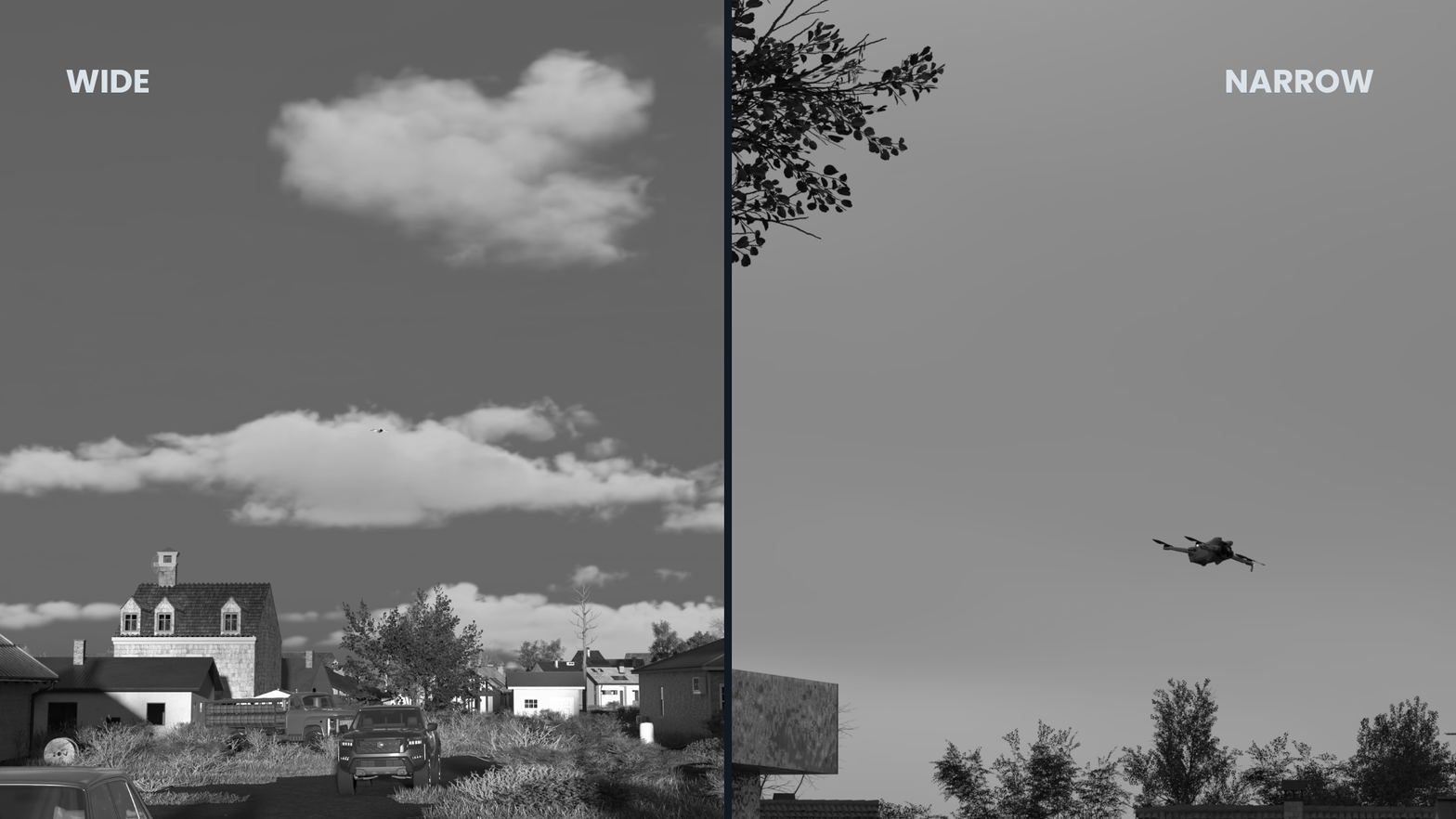
AI Verse built the training data a German counter-drone company could not capture: roughly 17,000 synthetic images, generated to its spec across two camera settings and two drone models, labelled to the pixel. On that data alone, its detector reached 0.989 mAP50 on the narrow camera. The data problem every counter-drone team hits Counter-drone perception […]

Reducing Technical Debt in Your Computer Vision Pipeline with Synthetic Data
Technical debt is a persistent challenge in computer vision development. While quick fixes and short-term optimizations may help deliver models faster, they can lead to inefficiencies and limitations down the road. Understanding different types of technical debt in computer vision projects is crucial for maintaining scalable, efficient, and high-performing AI systems. One powerful way to […]