GAIA

Synthetic Image Generation with Fully Labelled Datasets in Hours!

Why Computer Vision Teams Choose GAIA
Over Real-World Data Collection

Training computer vision models on real images has a hard ceiling. Field collection is slow, manual labelling is expensive, and rare scenarios, like occluded targets, adverse weather, low-light conditions, are nearly impossible to capture at scale. Gaia’s procedural engine generates thousands of photorealistic scenes with pixel-perfect labels in hours. Every image comes with ground-truth annotation built in: no labelling queue, no annotation vendor, no delay.

On Demand Synthetic Dataset Generation

Generate the images when you need them.

Customizable Synthetic Datasets for Any Computer Vision Model

Gain complete control over configurations, including scenes, sensors, lighting, activities, labels, and more.

Privacy Compliant Synthetic Data

Eliminate privacy concerns by avoiding the use of real-world data.

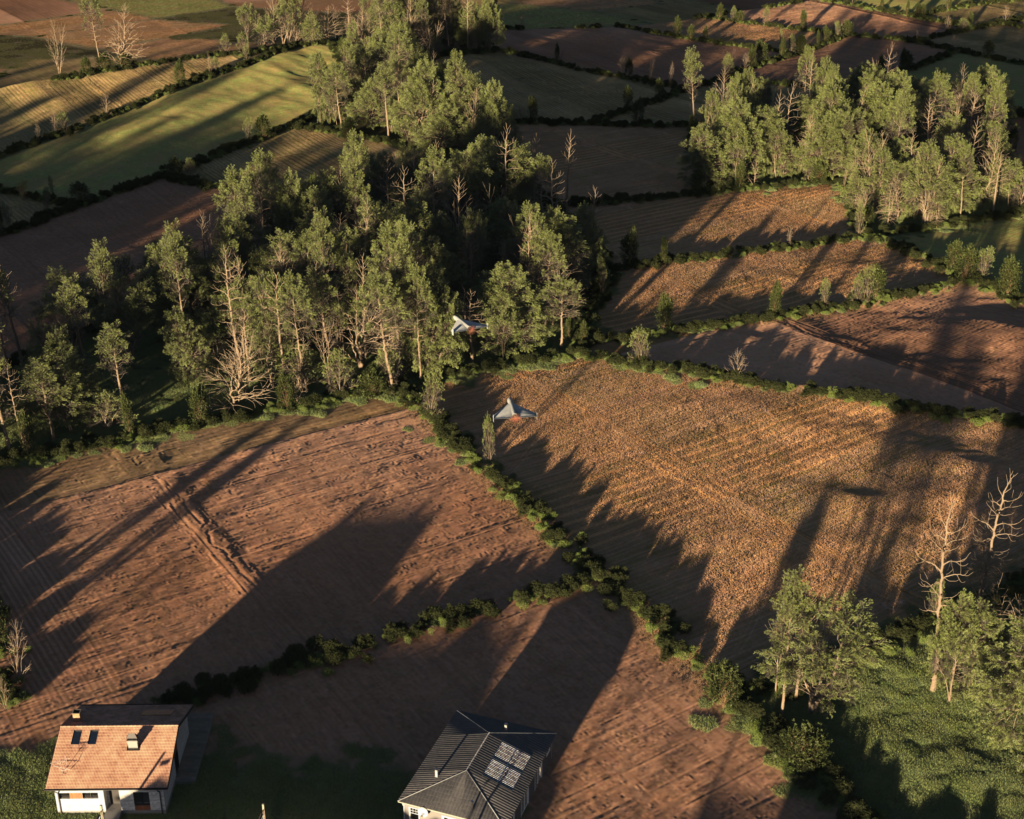
synthetic image of a drone flying over fields ideal fro training detection cv model
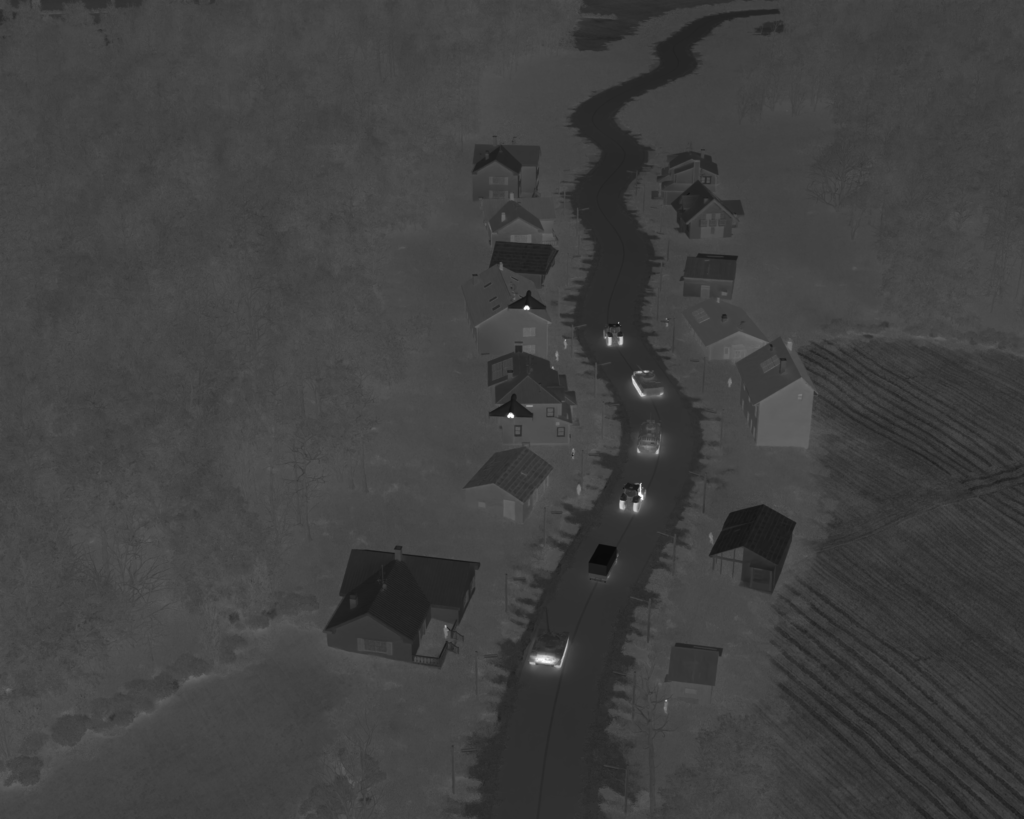
infrared image of tanks and drones over semiurban european environment great fror training a detection cv model
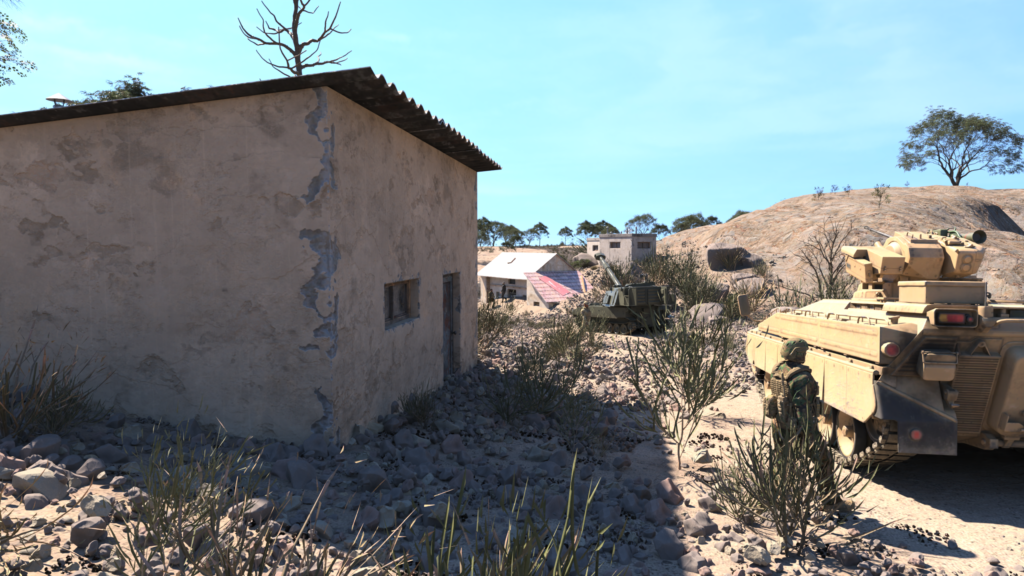
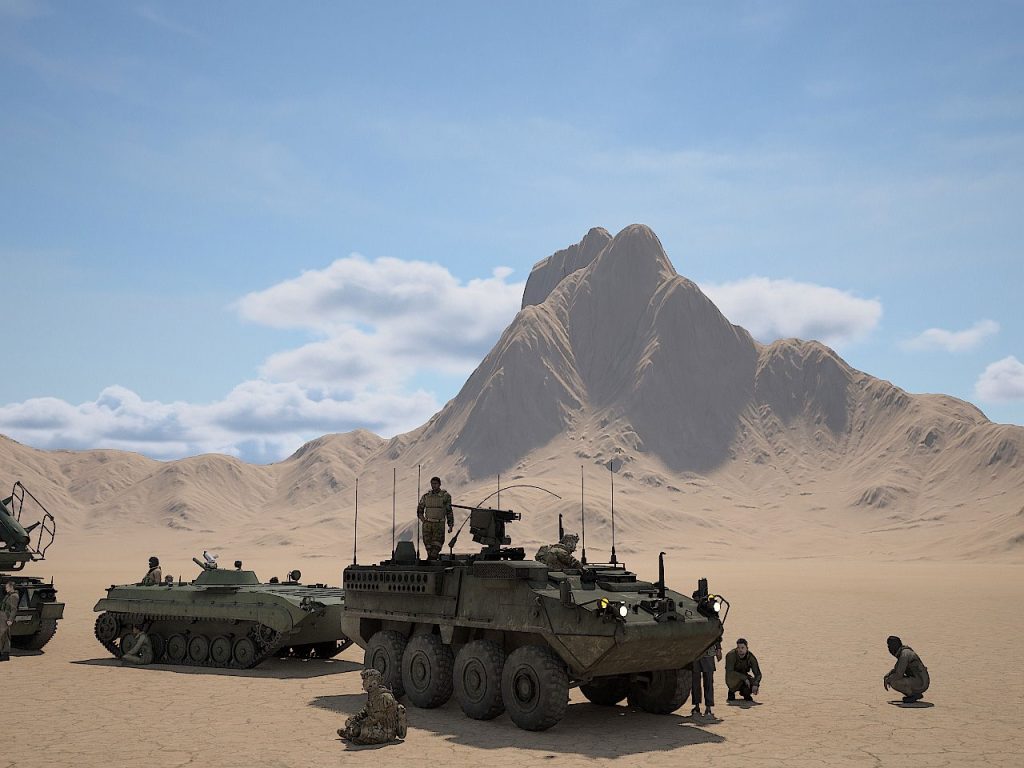
synthetic images of military vehicles in the semi-dessertic enviornment good for training ai model

How Procedural Engine Gaia Generates Synthetic Training Data

Gaia Engine offers full control over scene parameters:

Step 1.

Create a Project
and Configure Your First Batch

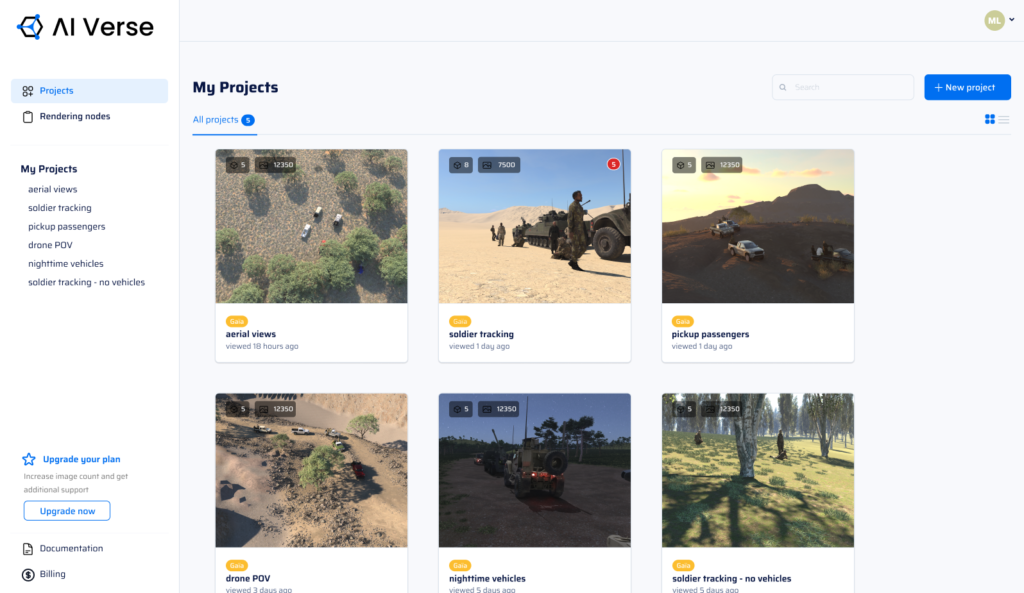
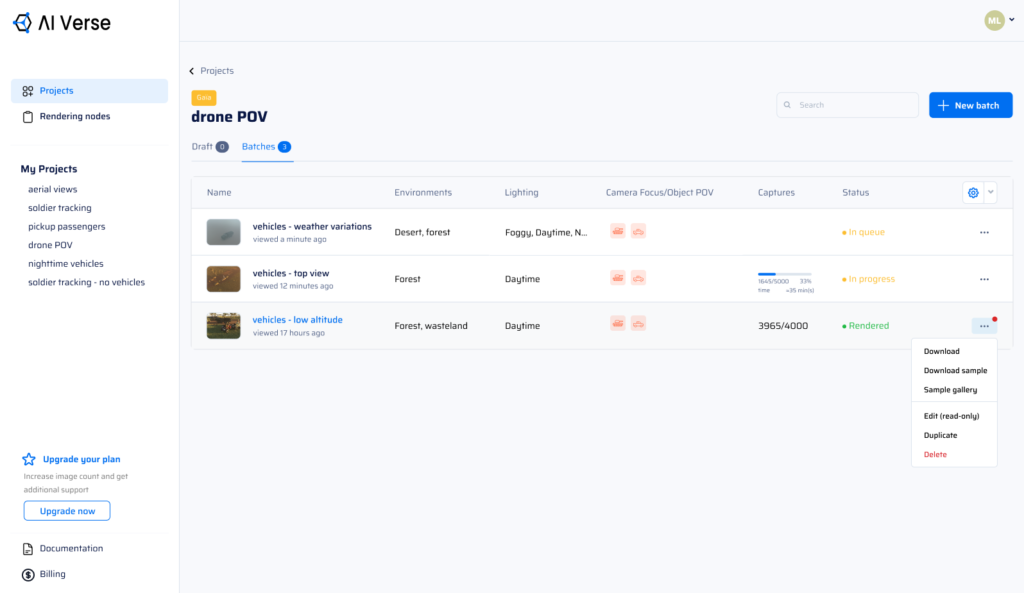
Create a project and add your first batch. You can add as many batches as you want to each project.

Gaia synthetic image generation software dashboard overview

Step 2.

Build Your Scene 
and Select Objects of Interest

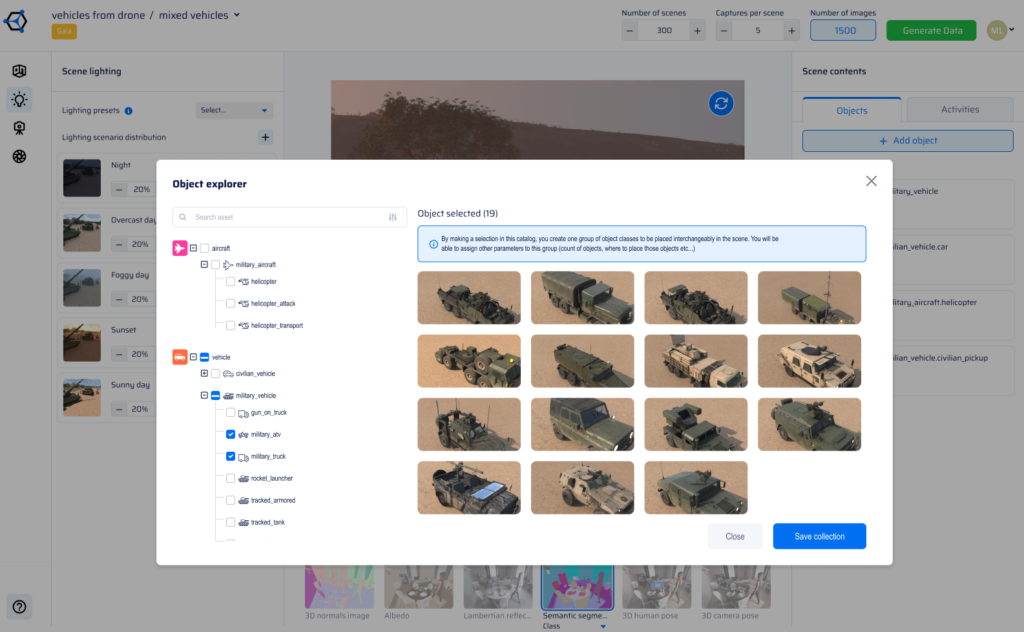
Select the type of environment you need. Add specific objects of interest from a catalog with 3D assets. Your objects of interest are automatically added to each scene.

3D scene designer with object catalog in Gaia procedural engine

Step 3.

Define Activities and Physical Attributes

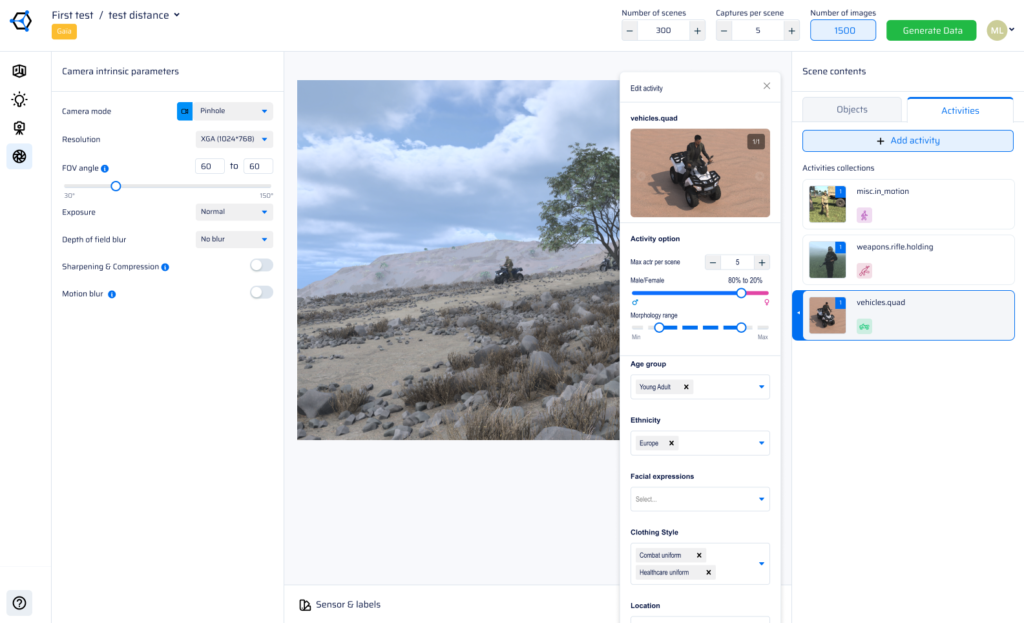
Select the activities you are interested in. Set various parameters related to the characters you are adding such as age, gender, physical characteristics, ethnicity, etc.

Character activity and physical attribute configuration in Gaia

Step 4.

Apply Lighting Conditions from Natural to Artificial

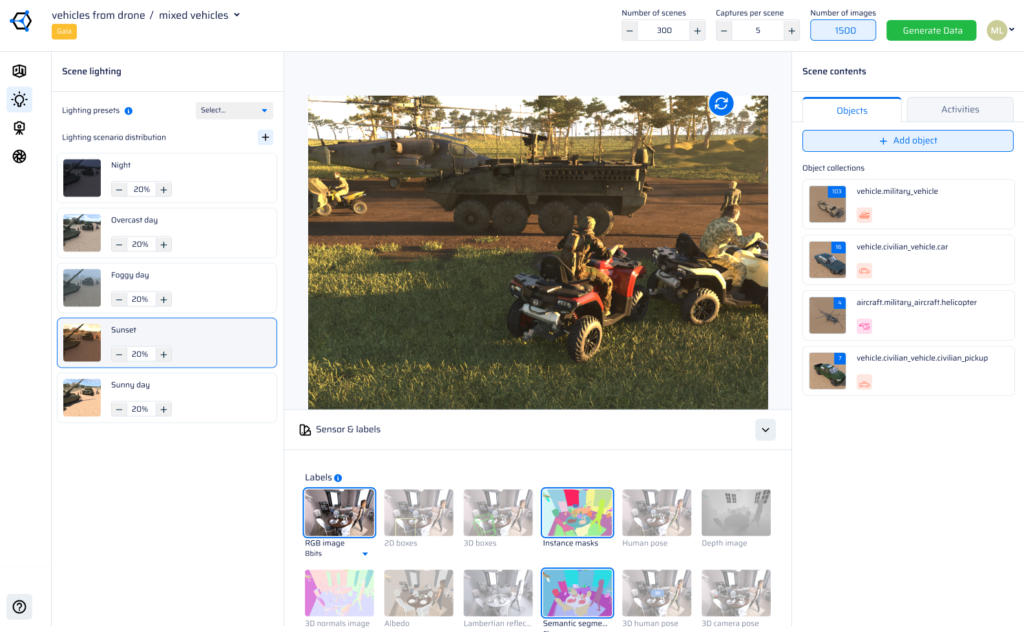
For each batch, select several lighting scenarios from a catalog including various artificial and natural lighting conditions. You can even simulate pictures taken with a flash if desired.

Lighting scenario selection including natural and artificial conditions in Gaia

Step 5.

Match Camera Parameters to Your Real Sensor Setup

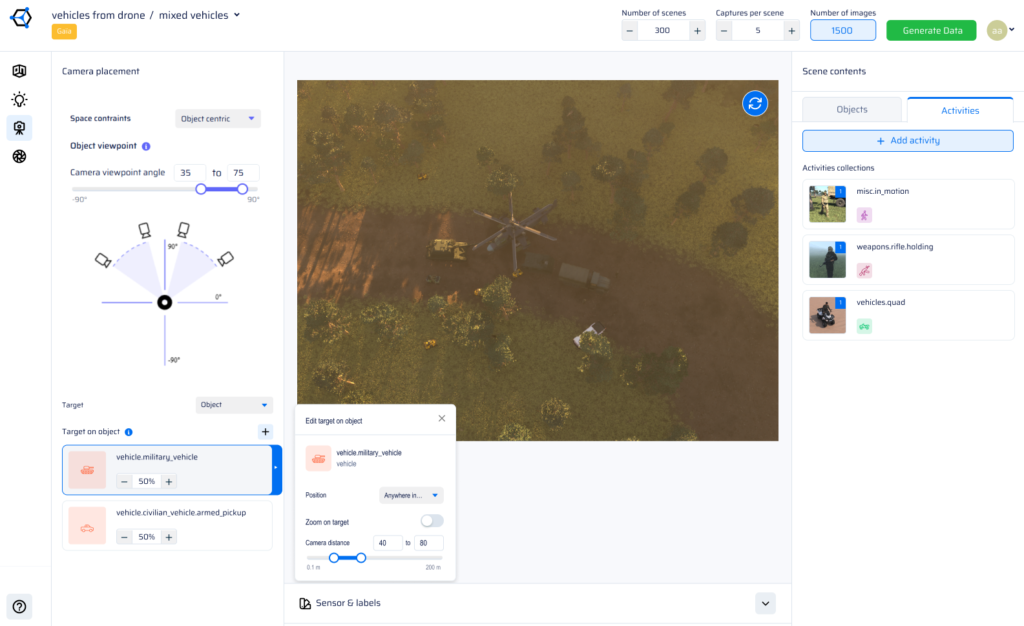
Set your camera’s intrinsic and extrinsic parameters to match your use case. For example, simulate images from a fixed surveillance camera, a drone, satellite image.

Camera intrinsic and extrinsic parameter settings for synthetic image simulation

Step 6.

Choose Annotation Labels and Generate Your Labelled Dataset

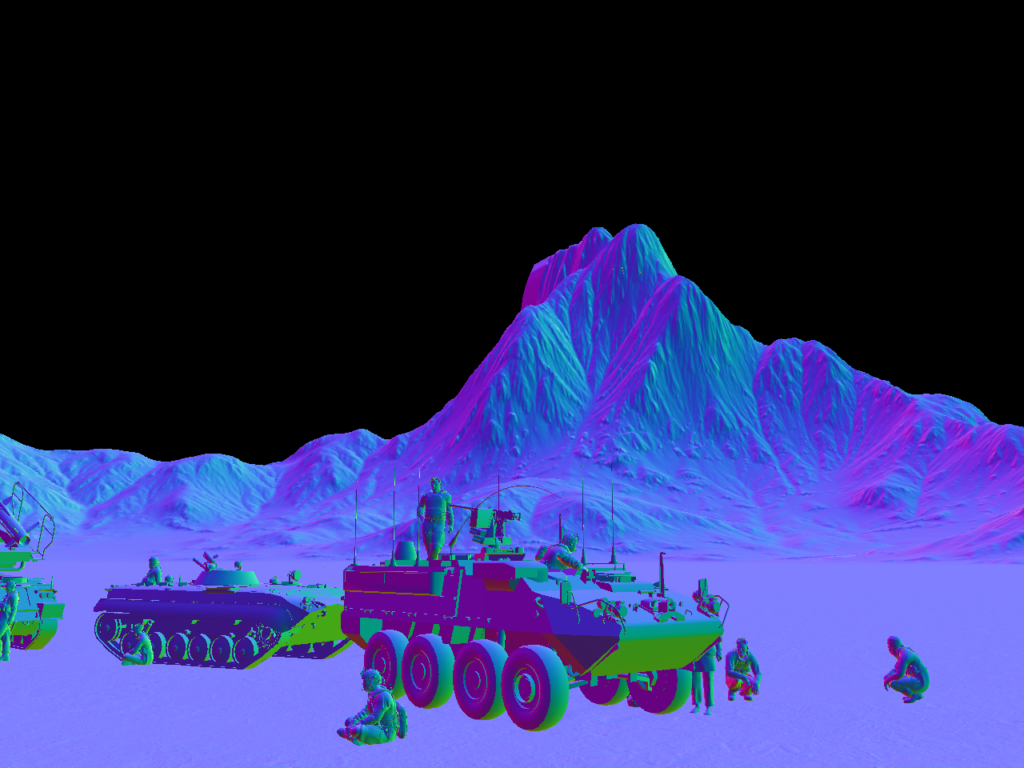
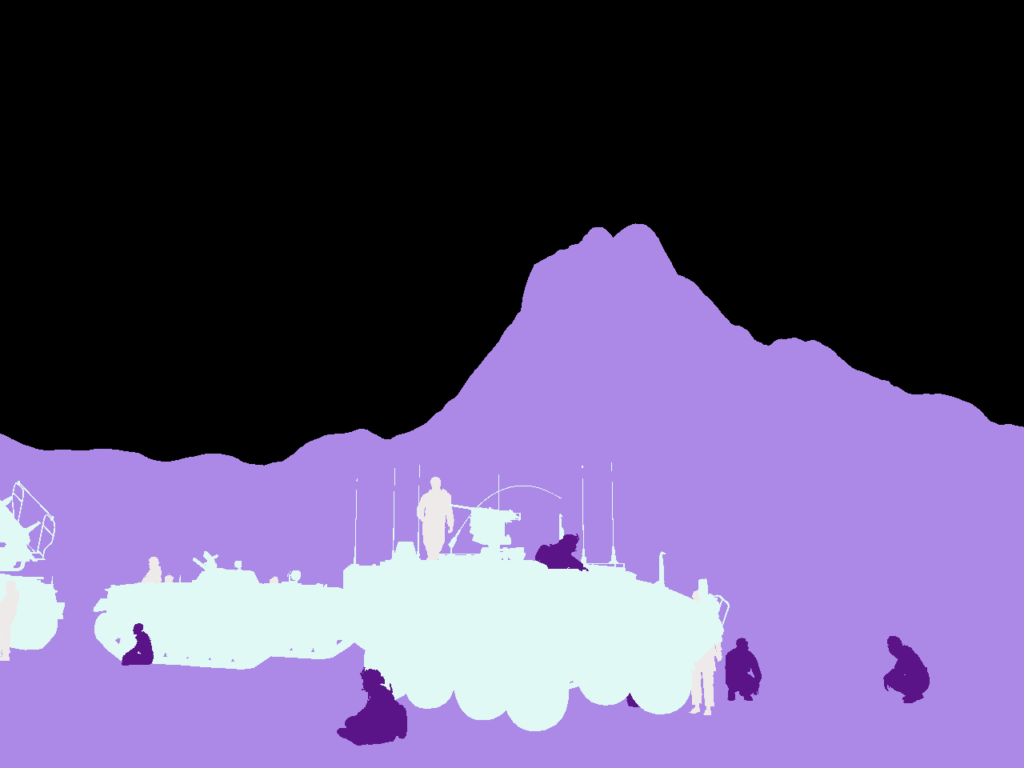
Select the labels you need among instance and semantic segmentation, depth image, 3D normal image, albedo image, Lambertian reflectance model, or skeleton key points. Next, choose the number of scenes and images per scene. Then, generate your fully labeled dataset.

Batch label selection and dataset generation settings in Gaia

Procedural Engine GAIA generates training images in days, not months! See how:

Built by the AI Verse engineering team in Sophia Antipolis, France by specialists in 3D animation and computer vision training since 2020.

Examples of Synthetic Images Generated with Gaia:

How AI Verse Generates Synthetic Training Data

Architecture behind the Procedural Engine GAIA: How Synthetic Images Are Generated

AI Verse’s procedural engine GAIA eliminates computer vision data bottleneck.
Define your parameters: object classes, environments, lighting, sensor type, weather, viewpoint, etc., and the platform generates fully annotated images in 4 seconds on 1 GPU, at any scale, with pixel-perfect annotation.

PROCEDURAL SCENE GENERATION

Scene Layout: Stochastic Decomposition Trees

3D Standardized Assets Database

3D mesh scene that is a part of synthetic image data generation process

3D SCENE

IMAGE
RENDER

Complex Labelling

Materials Database

Light Sources

Virtual Camera Controls and Properties

RGB, Infrared And Pixel-Perfect Labels for Every Computer Vision Model

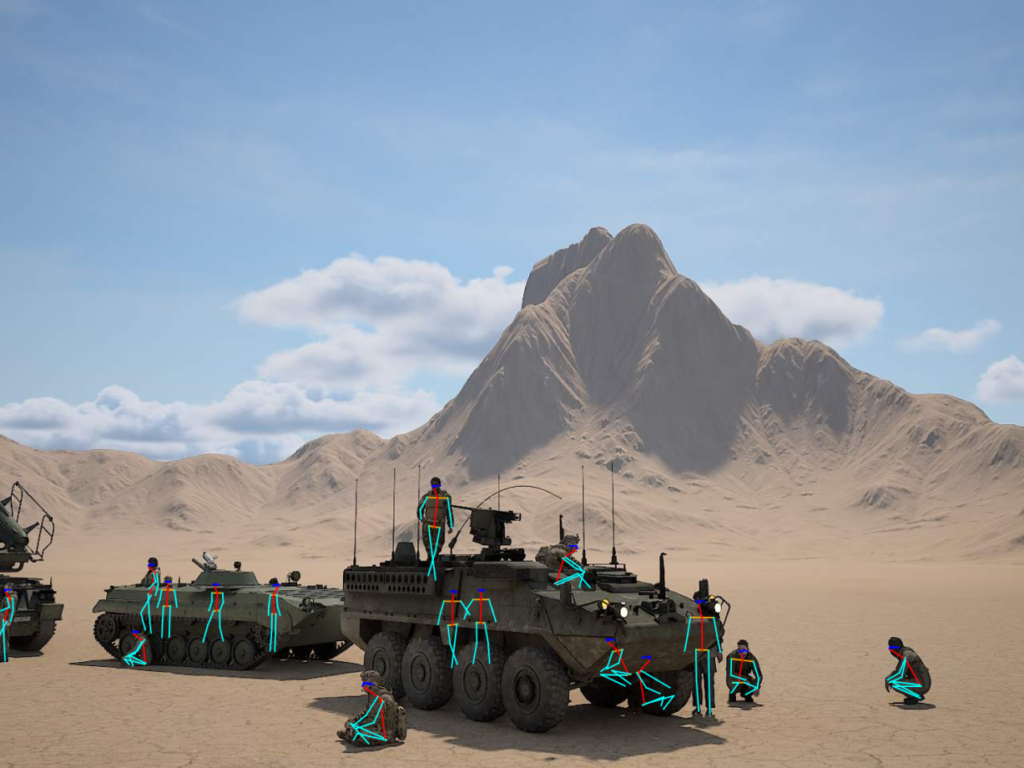
Synthetic image label: normals of tanks in the field
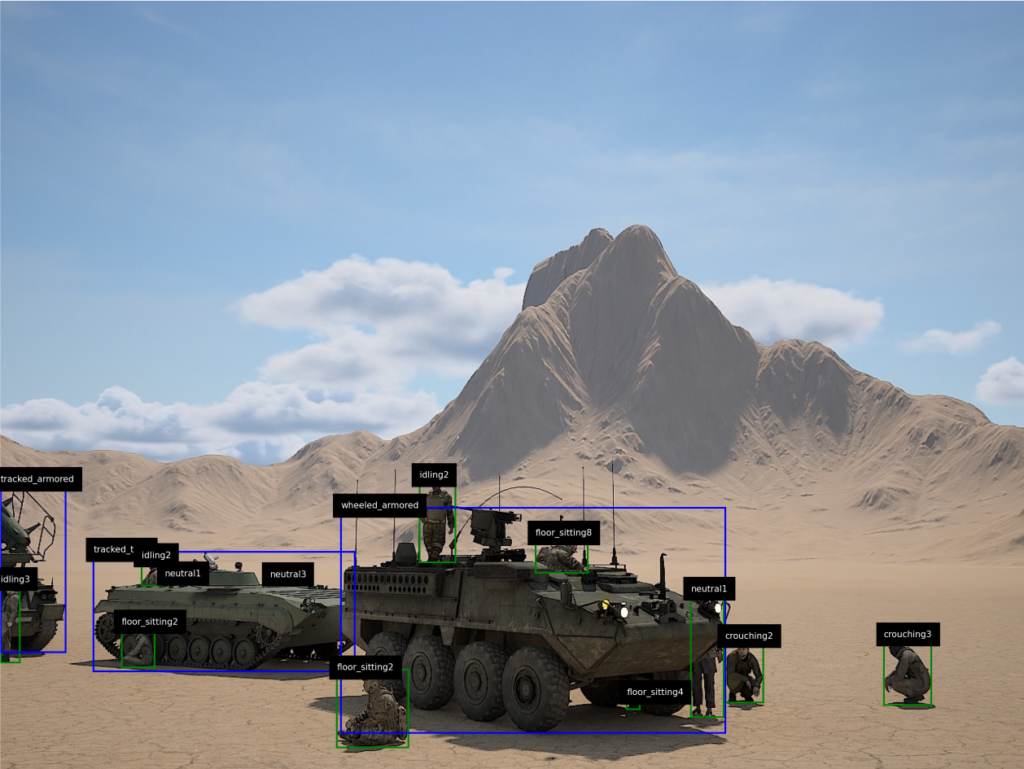
Synthetic image label: 2d boxes of tanks in the field
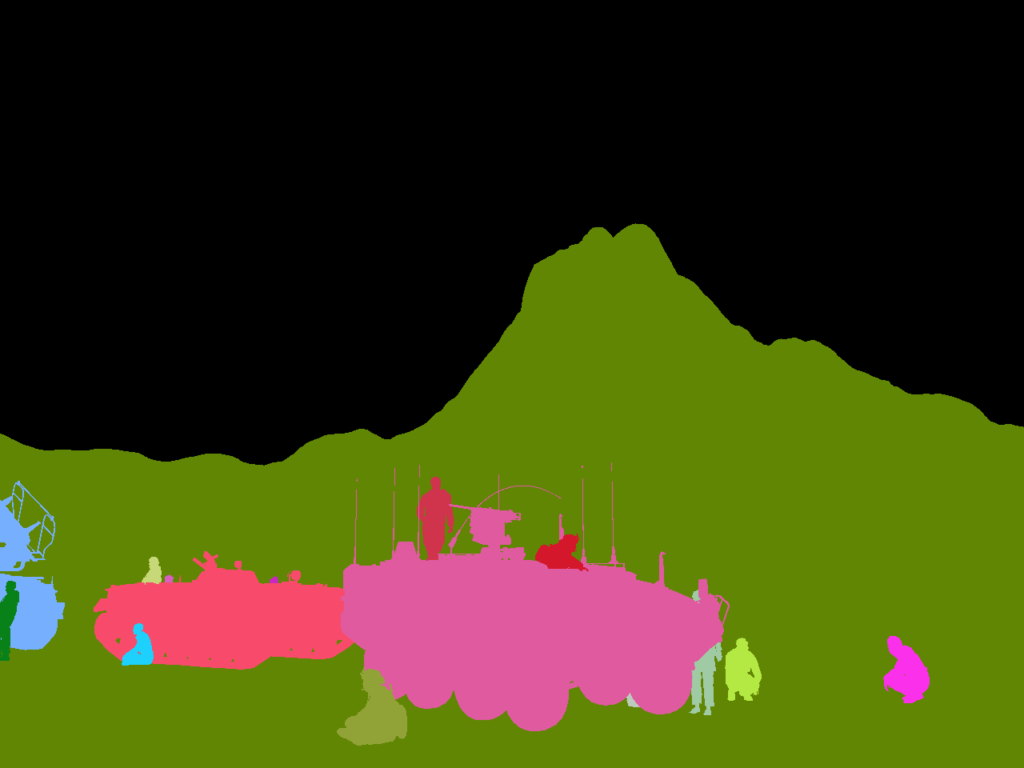
Synthetic image label: classes of tanks in the field
Synthetic image label: 3d keypoints of tanks in the field
Synthetic image label: RGB of tanks in the field
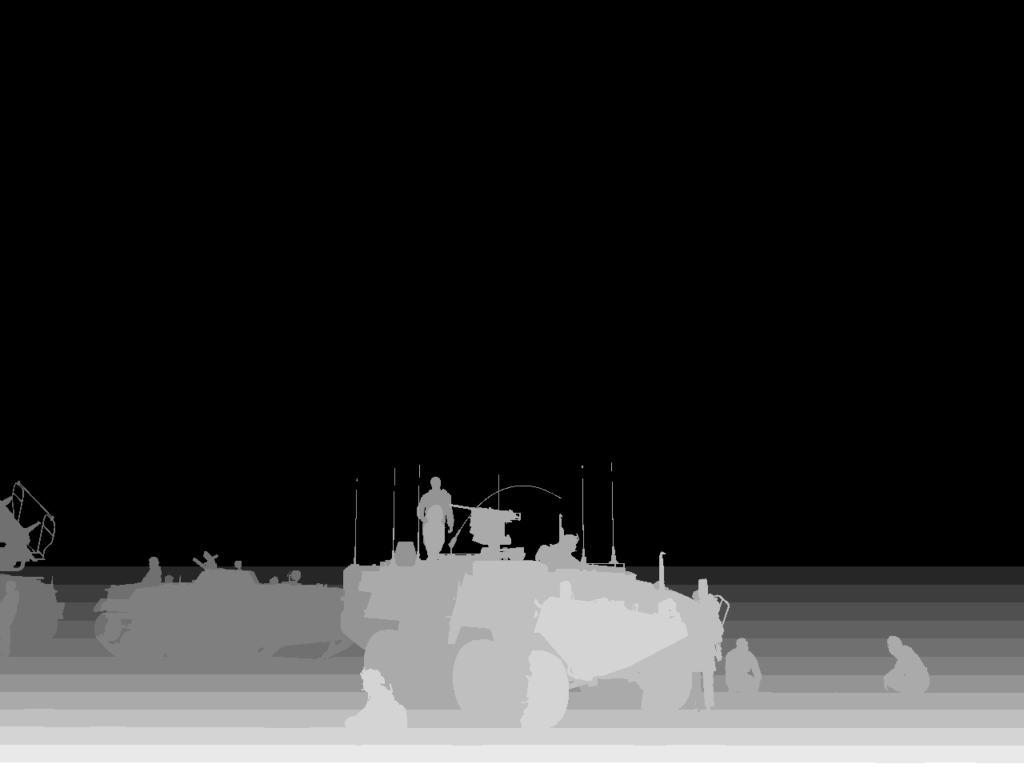
Synthetic image label: depth of tanks in the field
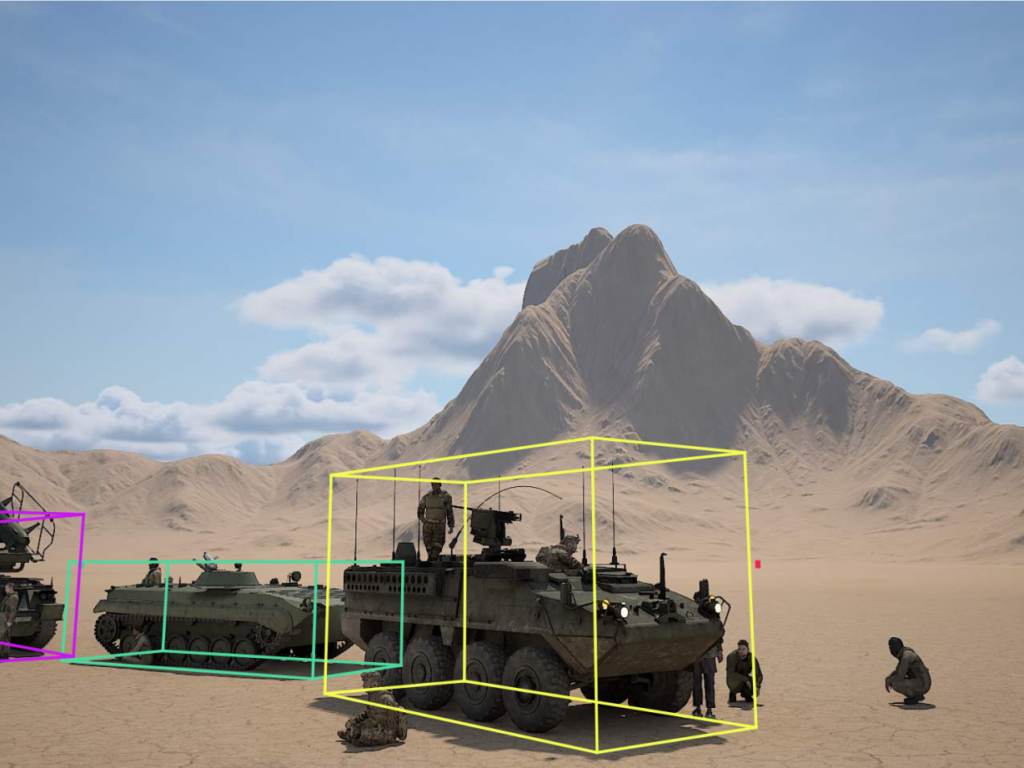
Synthetic image label: 3d boxes of tanks in the field
Synthetic image label: instances of tanks in the field

Synthetic Image Use Cases for CV in Defense

Trusted by defense contractors, security integrators, and CV research teams across Europe and North America.

Latest News & Events about AI-Verse

Computer Vision Applications in Military

From boosting surveillance to powering autonomous drones, computer vision is creating a new frontier in defense. Add synthetic image generation to the mix, and you have an innovative combination. Let’s dive into its most impactful applications and how these technologies are reshaping military capabilities. Surveillance and Reconnaissance Effective surveillance forms the backbone of modern defense, […]

How to Plan Your Annual Budget to Accommodate Synthetic Data

As the year comes to a close, many organizations are deep into annual budget planning. This is the perfect opportunity to consider how synthetic images can play a role in your operations for the upcoming year. By offering data diversity, annotation accuracy, and scalability, synthetic images address many challenges faced by organizations relying solely on […]

Five Trends in Computer Vision for 2025

As we approach 2025, the computer vision landscape is being reshaped by advances in AI, hardware, and interdisciplinary integration unlocking new possibilities for optimizing model performance and addressing challenges once considered impossible. Here are five key trends to watch: 1. Edge AI The demand for real-time decision-making is driving the optimization of computer vision models […]

1 7 8 9 10 11 12

Generate Fully Labelled Synthetic Images
in Hours, Not Months!